
The mobile app market remains one of the most lucrative digital frontiers. For developers and businesses eyeing the iOS ecosystem, entry requires a specific key: the Apple Developer Account. This account acts as your passport to the App Store, allowing you to publish apps, access beta software, and utilize advanced app capabilities like Apple Pay and iCloud.
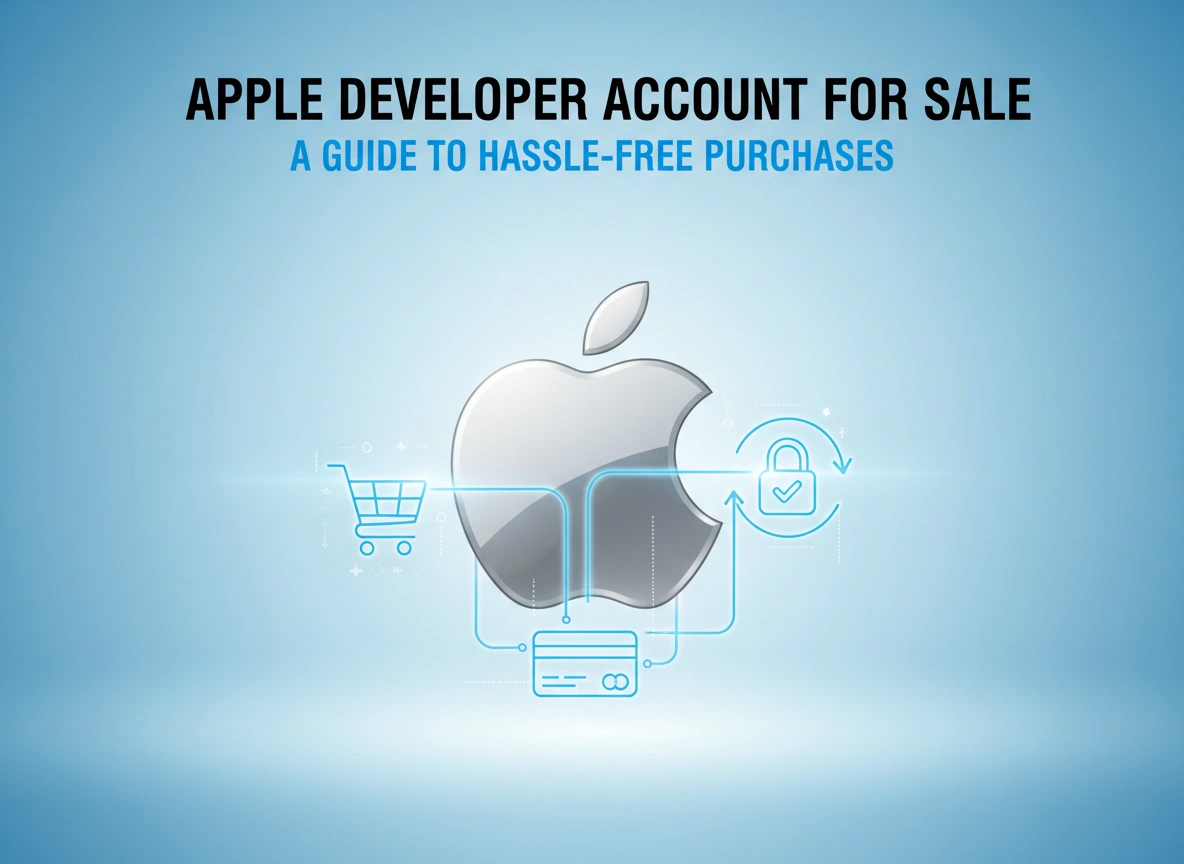
While the standard path involves registering directly with Apple, a secondary market has emerged where individuals and companies search for established Apple Developer Accounts for sale. This practice, though fraught with complexity, appeals to certain developers looking for specific advantages.
This guide explores the nuances of purchasing an Apple Developer Account. We will dissect why this market exists, the critical risks involved, and how to navigate this gray area safely if you choose to proceed.
The Vital Role of an Apple Developer Account
Before understanding why someone would buy an account, we must understand what it offers. An Apple Developer Account is more than just a login; it is a business license within Apple’s walled garden.
Without this account, your code lives only on your local machine. With it, you gain access to App Store Connect, the portal for uploading, testing, and managing your applications. It provides access to the latest SDKs (Software Development Kits) and beta versions of iOS, macOS, watchOS, and tvOS. Perhaps most importantly, it grants legitimacy. Apple verifies the identity of account holders, which builds trust with end-users downloading your software.
For businesses, the Enterprise Program adds another layer, allowing for the internal distribution of proprietary apps to employees without using the public App Store. This utility makes these accounts highly valuable assets.
Why Buy an Account Instead of Creating One?
If creating an account costs $99 per year and takes a few days, why does a market for existing accounts exist? The motivations usually boil down to time, history, and specific regional restrictions.
1. Bypassing Verification Delays
Apple’s verification process has become increasingly stringent. For legitimate reasons, Apple wants to know exactly who is publishing on their store. However, this can lead to delays ranging from weeks to months, especially for corporate entities in certain regions where document verification is complex. Buying a pre-verified account allows a developer to publish immediately.
2. Acquiring Older Accounts (Account Aging)
In the SEO and app ranking world, “age” often signals trust. Some developers believe that older accounts—those that have existed for several years without infractions—are less likely to trigger Apple’s automated spam filters when uploading new apps. An aged account is perceived as having a higher “trust score.”
3. Regional Limitations
Developers in countries facing sanctions or banking restrictions may find it impossible to pay the $99 enrollment fee directly to Apple or pass the identity verification checks. For these individuals, purchasing an account registered in a different region acts as a workaround to access the global market.
4. Enterprise Account Scarcity
The Apple Developer Enterprise Program is notoriously difficult to join. Apple requires specific business verification and often rejects smaller entities. Consequently, existing Enterprise accounts are rare commodities and fetch high prices on the secondary market.
The Risks: Legal, Ethical, and Operational
Entering the market to buy an Apple Developer Account is not like buying a used car. It involves significant risks that can jeopardize your entire business.
Violation of Terms of Service
The most glaring risk is a violation of Apple’s Developer Program License Agreement. Apple generally prohibits the transfer of accounts between different legal entities except in the case of an actual business acquisition (M&A). If Apple detects that an account has been sold or transferred securely, they reserve the right to terminate the account immediately. This means your apps disappear from the store, and your revenue stream halts instantly.
The “Stolen Account” Trap
The secondary market is rife with fraud. Many accounts listed for sale are actually compromised or hacked accounts. The original owner may eventually recover the account, leaving you with nothing. Worse, using a stolen account can implicate you in cybercrime investigations.
Association with Bad Actors
If you purchase an account that was previously used to publish spam apps, malware, or violate guidelines, that “reputation” follows you. Apple tracks digital fingerprints. If you log into a “dirty” account from your primary workstation, Apple may link your hardware ID to that banned account, potentially blacklisting your legitimate accounts as well.
How to Approach a Purchase Safely
If you have weighed the risks and determined that purchasing an account is necessary for your specific situation, you must proceed with extreme caution. Due diligence is your only defense against scams.
1. Verify the Seller’s Identity
Never buy from an anonymous source on a forum without history. Look for sellers with a reputable track record on established freelance or digital asset marketplaces. Ask for video verification or a live call to confirm they actually control the account.
2. Check the Account Health
Before money changes hands, request a walkthrough of the account via screen share (TeamViewer or Zoom). You need to verify:
- Status: Is the membership active?
- Violations: Check the Resolution Center in App Store Connect. Are there past rejections for spam or fraud?
- Apps: What apps were previously published? Avoid accounts that published gambling, loan, or copyright-infringing apps.
3. Understanding the Transfer Mechanism
Ideally, you aren’t just buying a login; you should be buying the underlying corporate entity that owns the account. If the account belongs to “Tech LLC,” buying “Tech LLC” is the safest legal route. You then update the D-U-N-S number information and banking details legitimately. Buying a personal account is much riskier, as you cannot easily change the name on the account to your own.
4. Secure the Email and Recovery Options
Access to the Apple ID is useless if the seller retains access to the recovery email or phone number. Ensure you receive full control of the associated email address, update the two-factor authentication (2FA) immediately to your own devices, and generate a new recovery key.
5. Use Escrow Services
Never send direct cryptocurrency or wire transfers without protection. Use a trusted escrow service that holds the funds until you have successfully logged in, verified the account details, and secured the credentials.
Safer Alternatives to Buying
Given the minefield of risks associated with buying accounts, consider these legitimate alternatives that provide stability for your business.
The Patience Approach: Proper Registration
While frustrating, navigating Apple’s verification process is the only way to ensure 100% ownership and safety. If you are stuck, hire a consultant who specializes in business formation to help you get the correct D-U-N-S number and legal documents required for swift verification.
Partnering with Existing Publishers
If you cannot open an account, look for a “Publisher” rather than a seller. Many established agencies will publish your app under their account for a fee or a revenue share. This is a legitimate business relationship. You retain the intellectual property rights to your code, while they handle the App Store logistics.
App Transfer
If you are buying an account because you want a specific app that is already on it, use the official App Transfer feature. Apple allows developers to move an app from one account to another. You can create a fresh, clean account and simply buy the rights to the app, transferring it officially without risking account-level bans.
Conclusion: Weighing Convenience Against Longevity
The allure of an Apple Developer Account for sale lies in speed and accessibility. It offers a shortcut through bureaucratic red tape and provides immediate access to the marketplace. However, this shortcut is paved with potential pitfalls, from scammers selling hacked credentials to the looming threat of a lifetime ban from Apple.
For most serious developers and businesses, the asset of highest value is longevity. Building a business on an account you bought from a stranger is like building a house on a foundation you didn’t inspect. It might hold up for a while, but the cracks could appear at any moment.
If you must purchase, treat it as a high-risk acquisition. Verify every detail, secure the legal entity if possible, and prepare for the possibility of account closure. Whenever possible, opt for legitimate registration or partnerships—peace of mind is often the most profitable asset in the long run.
