


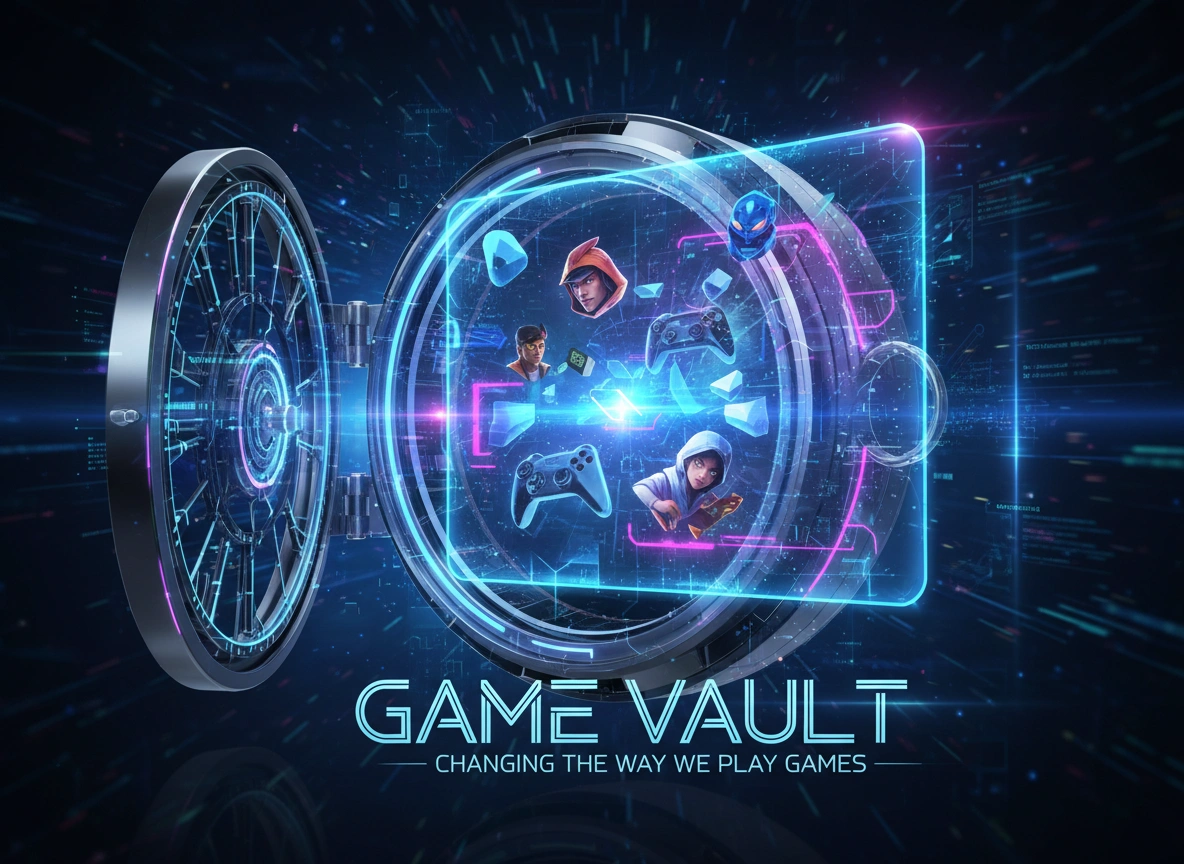
The gaming industry is no stranger to revolution. From the leap to 3D graphics in the 90s to the rise of online multiplayer in the 2000s, gaming constantly evolves. However, the current shift isn’t just about better graphics or faster processors; it’s about accessibility, centralization, and the seamless integration of experiences. At the forefront of this shift is Game Vault.
Game Vault represents a new paradigm in how players access, manage, and enjoy their digital libraries. By unifying disparate platforms and leveraging cloud technologies, it is rewriting the rulebook on digital ownership and gameplay continuity. This article explores the mechanics behind Game Vault, its ripple effects across the industry, and why it might just be the future of interactive entertainment.
The Fragmentation Problem in Modern Gaming
To understand why Game Vault is necessary, we first have to look at the current state of the industry. The digital landscape is fractured. A typical gamer likely owns titles across multiple ecosystems: Steam for PC exclusives, PlayStation Network for console hits, the Nintendo eShop for portable play, and perhaps mobile app stores for casual gaming.
This fragmentation creates friction. Your achievements are scattered. Your friends lists are siloed. Worst of all, your library is divided. If you want to play a specific game, you first have to remember which launcher or console it resides on.
Game Vault addresses this friction directly. It acts as a universal hub—a digital nexus that aggregates these fragmented libraries into a single, cohesive interface. It isn’t just a launcher; it is an ecosystem bridge. By utilizing advanced API integrations and cloud synchronization, Game Vault allows players to view, launch, and manage their entire gaming history from one dashboard.
Innovative Features Defining the Experience
Game Vault is more than a glorified folder for your shortcuts. It introduces several technologies that fundamentally change the user experience.
1. Cross-Platform Library Unification
The core of the Game Vault experience is its ability to “shake hands” with other platforms. Through secure authentication protocols, it pulls metadata, artwork, and install paths from other services. This means a game purchased on a third-party store appears side-by-side with a game bought directly through Game Vault. For the user, the distinction between “platform A” and “platform B” disappears. There is only “My Collection.”
2. Universal Cloud Saves
One of the most frustrating aspects of gaming is losing progress when switching devices. While individual platforms have cloud saves, they rarely talk to each other. Game Vault introduces a layer of meta-save management. By wrapping save files in a universal container, it attempts to standardize progress where possible, allowing for smoother transitions between hardware. While not every game supports cross-progression due to developer constraints, Game Vault pushes the envelope by creating backups that are accessible regardless of the original launcher.
3. Smart Resource Allocation
Game Vault runs a lightweight background process that optimizes system resources based on the game being played. Unlike standard launchers that can eat up RAM, Game Vault’s “Game Mode” suppresses unnecessary background tasks and prioritizes the active game process. This ensures that even on mid-range hardware, players get the best possible frame rates and load times.
Enhancing the Player Experience
Technology is only impressive if it serves the user. Game Vault’s features translate into tangible benefits that enhance the daily life of a gamer.
The End of “Launcher Fatigue”
Gamers often joke about needing a “launcher for their launchers.” Game Vault solves this. You no longer need to update five different clients just to see what you want to play. You open one application. This reduction in cognitive load makes it easier to jump into a session, reducing the barrier between the impulse to play and the actual gameplay.
Social Connectivity
Perhaps the most significant enhancement is social. Game Vault aggregates friends lists. You can see if your friend is online on Xbox or Steam from a single list. This cross-platform visibility encourages multiplayer engagement. It breaks down the walled gardens that console manufacturers and store owners have built, fostering a more unified gaming community.
Discovery and Curation
With a unified library comes better data. Game Vault analyzes your play habits across all platforms to offer intelligent recommendations. If you spent 100 hours on a strategy game on PC and 50 hours on a tactical RPG on a console, Game Vault’s algorithm recognizes this specific taste profile. It can recommend hidden gems that a single-platform store might miss because they only see a slice of your gaming identity.
Impact on the Gaming Industry
The rise of aggregators like Game Vault forces the industry to adapt. It signals a shift away from platform exclusivity toward service interoperability.
Pressure on Walled Gardens
Major publishers have historically relied on locking users into their ecosystem. If you buy a game here, you stay here. Game Vault challenges this model by treating the store as a backend utility rather than a frontend destination. This puts pressure on platform holders to compete on service quality and price, rather than just relying on the inconvenience of switching platforms to keep customers loyal.
The Rise of Subscription Aggregation
We are currently in the “subscription era” of gaming (e.g., Game Pass, EA Play). Managing these subscriptions can be a nightmare. Game Vault is positioning itself as a subscription manager, allowing users to see which games they have access to through various services. This transparency helps consumers make better financial decisions, potentially forcing publishers to offer better value to retain subscribers.
Indie Visibility
For indie developers, the fragmented market is a hurdle. It’s hard to gain traction when your audience is split. By centralizing the user base, Game Vault offers a new avenue for visibility. A unified storefront or library view puts indie titles on the same visual footing as AAA blockbusters, democraticizing discovery.
Future Developments: Where Goes Game Vault Next?
As Game Vault matures, several potential developments could further disrupt the industry.
Hardware Agnostic Streaming
The next logical step is deep integration with cloud streaming services. Imagine clicking a game in your Vault and, instead of installing it, instantly streaming it from a server cluster. If Game Vault can act as the intermediary for streaming services, it effectively turns any screen into a high-end console, further diminishing the need for expensive local hardware.
Blockchain and Digital Resale
While a controversial topic, digital ownership is a frontier yet to be fully settled. Game Vault is uniquely positioned to explore secure digital transfers. If publishers ever agree to a digital resale marketplace, a neutral third-party platform like Game Vault would be the ideal venue to facilitate the secure transfer of licenses between users.
AI-Driven Game Coaching
With access to gameplay data across titles, Game Vault could implement AI coaching. By analyzing your inputs and performance metrics, the platform could offer tips or strategy guides in real-time. Struggling with a boss in a difficult RPG? Game Vault could detect the repeated failures and offer a non-intrusive overlay with a guide or video walkthrough.
Conclusion
Game Vault is not just changing how we launch games; it is changing how we think about our digital lives. It shifts the focus from the store to the player, from the platform to the library. By breaking down barriers and unifying the fragmented landscape of modern gaming, it offers a glimpse into a future where gaming is seamless, social, and truly accessible.
For the industry, it is a wake-up call that the old models of exclusivity and isolation are fading. For the player, it is simply a better way to play. As the technology evolves, Game Vault stands as a testament to the idea that the best gaming experience is one that gets out of your way and lets you play.
Next Steps for Gamers
If you are tired of juggling multiple launchers and losing track of your digital collection, it is time to investigate unified launchers.
- Audit your library: Check how many different platforms you currently use.
- Test the waters: Download a unified launcher like Game Vault to see if the interface improves your daily workflow.
- Sync your accounts: Connect your major accounts (Steam, Epic, Xbox, PSN) to experience the benefit of a centralized friends list and library.
